
Published: May 2026 | Category: Culinary Heritage & Culture
There is no dish more synonymous with Japanese culinary identity than Sushi (寿司). To the global traveler, it represents the pinnacle of minimalist elegance, clean flavors, and artistic presentation. Yet, behind its deceptively simple appearance lies a complex interplay of microbiology, temperature control, and centuries of evolution. Understanding sushi requires looking past the surface glamour to appreciate how a primitive method of food preservation transformed into a globally revered art form.
Ingredients and Flavor Profile: The Misunderstood Masterpiece
A common international misconception is that “sushi” simply translates to “raw fish.” In reality, the linguistic root of the word refers directly to the sour flavor of the rice. The true soul of the dish is Shari (酢飯)—polished short-grain Japanese white rice seasoned precisely with a warm blend of rice vinegar, sugar, and salt. Perfect *Shari* is served at body temperature, with each grain distinct, airy, and lightly coated.
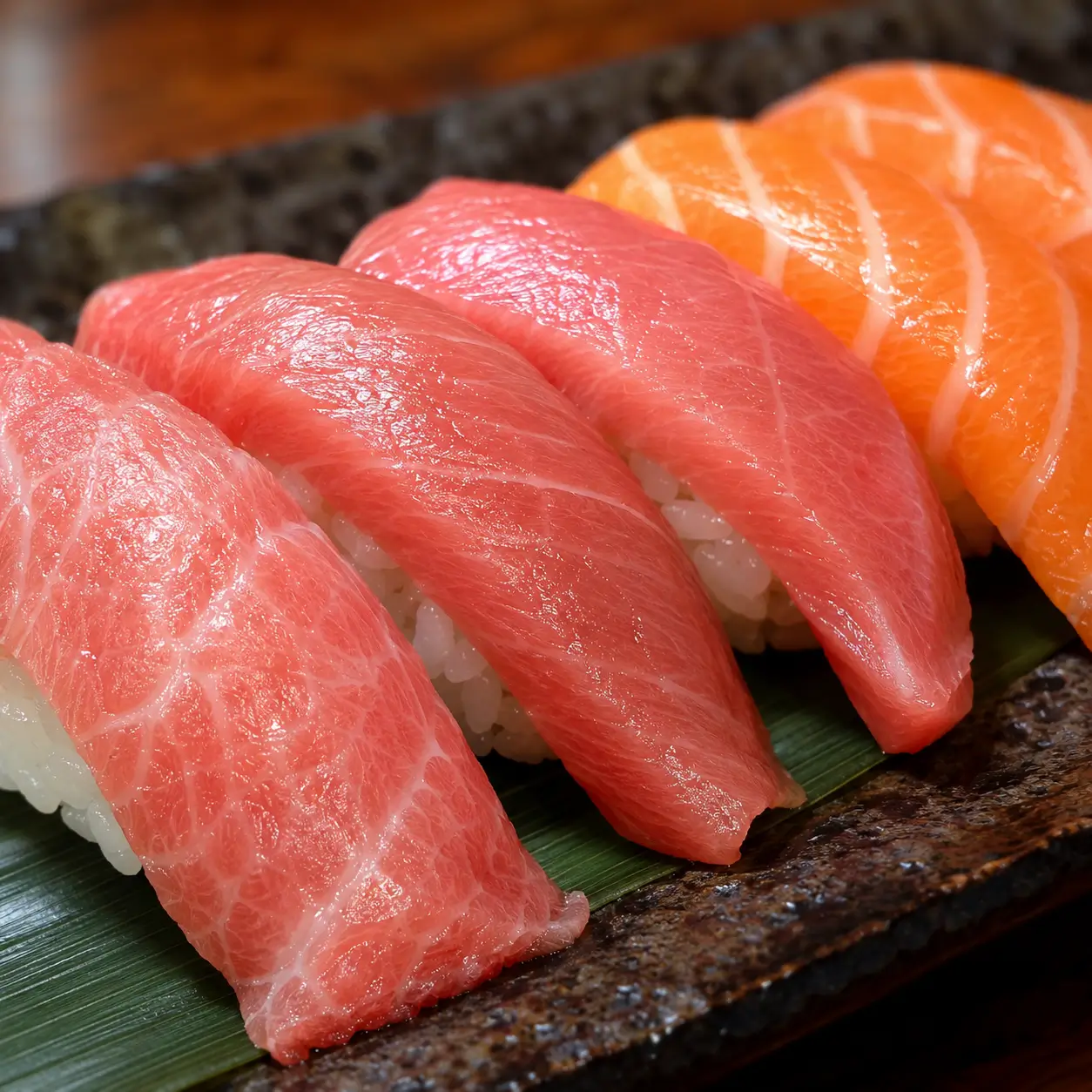
The topping, known as Neta (ネタ), ranges from pristine raw seafood to cooked, cured, or marinated delicacies. The flavor profile of a single piece of sushi is a fleeting, exquisite balance: the refreshing chill and natural sweetness of the seafood dissolving into the warm, tangy, and savory foundation of the vinegared rice, accented by the subtle nasal heat of real **Wasabi** hidden between them.
The Birthplace of Modern Sushi: Tokyo’s Fast-Food Revolution
The distant ancestor of sushi, known as *Narezushi*, originated over a millennium ago as a way to preserve freshwater fish by packing it into fermented rice. Crucially, the sour, pungent rice was thrown away, and only the preserved fish was consumed.
The modern iteration we recognize today—**Nigirezushi**—was born in the bustling streets of Edo (modern-day Tokyo) during the early 19th century. Invented as a quick, portable street food for busy merchants and laborers, street vendors began using freshly seasoned vinegar rice topped with seafood caught directly from Tokyo Bay (Edo-mae). Because refrigeration did not exist, chefs utilized brilliant culinary techniques to prevent spoilage: boiling prawns, simmering eel, marinating mackerel in vinegar, and soaking tuna in soy sauce. This historic methodology is known today as the prestigious **Edomae** style.
The Primary Varieties
Sushi expresses itself in numerous traditional forms, each tailored to different dining styles and occasions:
1. Nigirezushi (握り寿司) — Hand-Pressed Sushi
The definitive form. A master artisan delicately molds a bite-sized oblong pillow of warm rice using their palm and fingers, topping it smoothly with a single slice of seafood.
2. Makizushi (巻き寿司) — Rolled Sushi
Ingredients such as cucumber, tuna, or pickled radish are wrapped in a layer of *Shari* and crisp **Nori (toasted seaweed sheets)** using a bamboo rolling mat, then sliced into neat cylinders.
3. Chirashizushi (ちらし寿司) — Scattered Sushi
A beautiful, vibrant bowl of seasoned sushi rice artistically blanketed by a colorful mosaic of sashimi, cooked prawns, shredded egg crepe, and seasonal vegetables.
The Essential Companions: Gari and Agari
To maintain clean flavors throughout a multi-course sushi meal, traditional counters provide specific, functional accompaniments that serve as vital palate cleansers:
- Gari (ガリ) — Pickled Ginger: These paper-thin shavings of young ginger, pickled in sweet vinegar, offer a crisp, spicy snap. Eating a slice between different types of fish sanitizes the mouth and resets the taste buds, ensuring the oil of a rich fatty tuna does not interfere with the delicate sweetness of a white fish.
- Agari (あがり) — Piping Hot Green Tea: Universally served at the end or during a sushi meal, this highly concentrated, powdered green tea is served remarkably hot. The natural astringency and heat effectively dissolve any residual fish oils from the tongue, refreshing the palate perfectly.
Connoisseur Etiquette: How to Eat Sushi
While high-end sushi bars can feel intimidating, the traditional rules are designed entirely to maximize flavor and protect the chef’s hard work:
| Action | The Culinary Reason |
|---|---|
| Use Your Fingers | Eating *Nigiri* with your hands is highly encouraged. It allows you to feel the temperature and prevents the delicate, airy rice pillow from breaking apart under the pressure of chopsticks. |
| Dip Fish-Side Down | Turn the piece slightly upside down to dip only the *Neta* (seafood) into the soy sauce. Never dip the rice directly, as it will absorb too much liquid, crumble into the dish, and overpower the delicate flavor balance. |
| Eat in One Bite | Each piece is crafted by the artisan to be a perfectly balanced single mouthful. Biting a piece in half destroys the structural harmony and flavor proportions of the rice, fish, and wasabi. |
Sushi on the Japanese Home Dining Table
Within Japanese society, sushi splits into two distinct operational worlds: the democratic everyday meal, and the sacred celebratory luxury.
On a casual level, modern conveyor-belt sushi restaurants (**Kaitenzushi**) offer families an affordable, fun, and highly casual weeknight dining experience. Furthermore, supermarket deli sections stock incredibly fresh, pre-packaged sushi sets daily, serving as a highly convenient go-to lunch or dinner solution for ordinary busy days.
However, traditional counter-service sushi bars (**Counter-zushi**) are strictly reserved for **Hare no Hi (ハレの日)**—special days of celebration. Families gather at these intimate wooden counters to honor major life transitions, such as graduation, promotions, corporate entertaining, or welcoming long-awaited guests. At home, making *Chirashizushi* or setting up a DIY *Temakizushi* (hand-rolling party) is a beloved domestic tradition for festive holidays like Hinamatsuri (Doll’s Festival) or New Year’s Day, solidifying sushi as the ultimate dish of shared celebration, joy, and deep-seated hospitality.
“Sushi is a living testament to Japanese restraint and discipline. By stripping away the unnecessary and mastering the invisible details of rice temperature, seasoning, and texture, a street-side snack evolved into an eternal monument of global gastronomy.”