
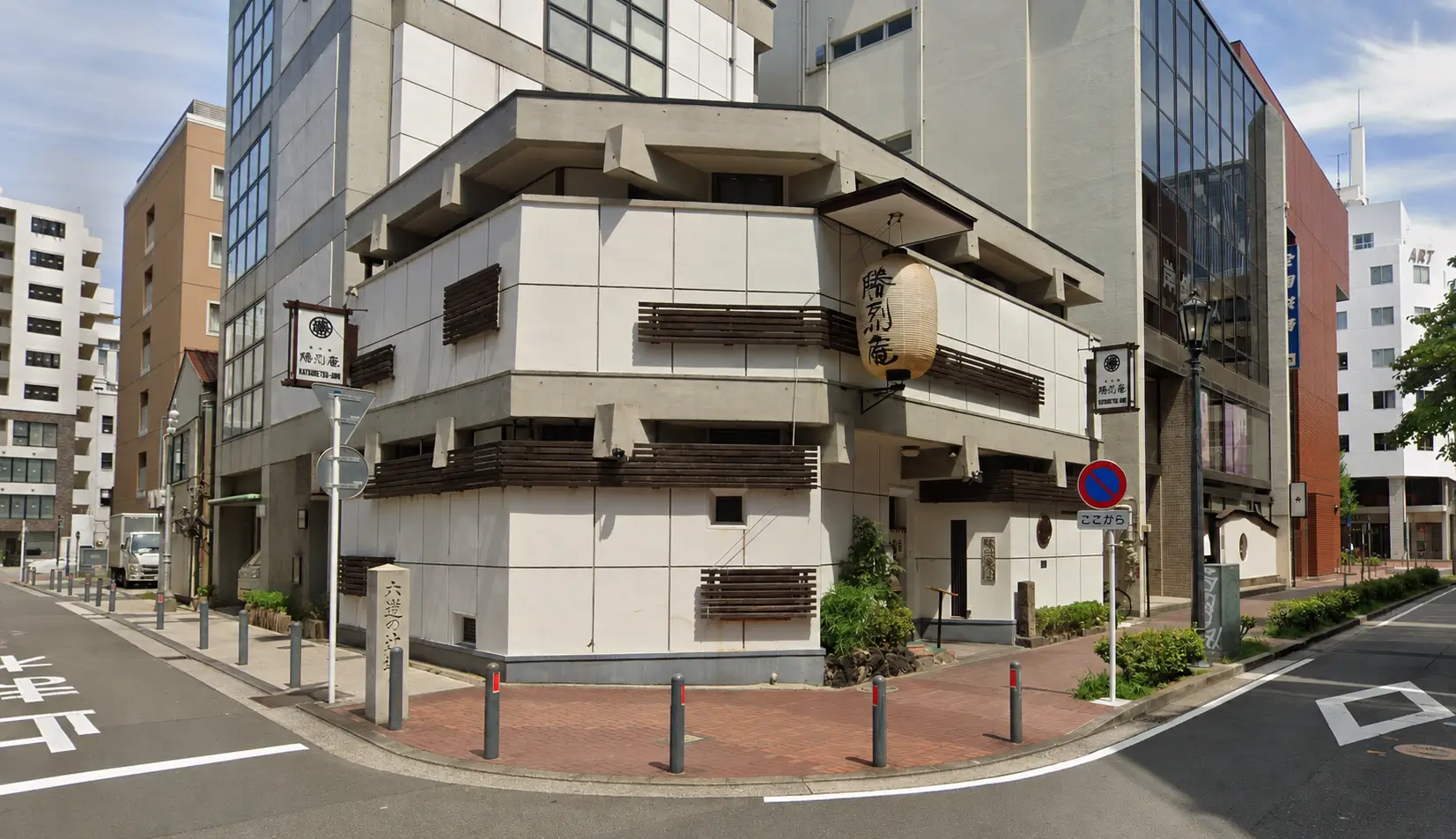
Katsuretsuan: The Living Museum of Yokohama’s Culinary Enlightenment
For travelers seeking an authentic encounter with Japanese culinary history, the port city of Yokohama offers a profound alternative to the overcrowded tourist hubs of central Tokyo. When Yokohama opened its gates to the world in 1859, it became the cradle of Japan’s modern gastronomic fusion. Nestled in the historic Bashamichi district—the very avenue where Western horse-drawn carriages once rolled—stands Katsuretsuan (勝烈庵). Established in 1927, this venerable institution is not merely a restaurant; it is a sacred cultural monument where culinary mastery intersects with mid-century Japanese art.
The Artisan Triad: Flesh, Sauce, and Woodblock Prints
What elevates Katsuretsuan to a destination worthy of a lifetime pilgrimage is its unique synthesis of gastronomy and fine art. To step inside the Bashamichi main restaurant is to enter a living museum. The establishment enjoyed a deep, lifelong friendship with Shiko Munakata (棟方志功), one of Japan’s most globally revered 20th-century avant-garde woodblock artists. His bold, spiritual masterpieces adorn the dark wooden walls, and even the calligraphy on the restaurant’s signage and chopstick wrappers flows from his legendary brush.
This uncompromising dedication to artistry manifests beautifully on the plate through three distinct signatures:
1. The Square Katsuretsu (Katsu)
Unlike standard oval-shaped cutlets, Katsuretsuan’s signature *Katsuretsu* (tenderloin) is meticulously squared and entirely freed from sinew. It is fried to a delicate, pale gold. The texture is so extraordinarily tender that it requires no knife; it can be effortlessly parted with a pair of chopsticks, yielding a melt-in-your-mouth elegance.
2. The Ancestral Craft Sauce
The lifeblood of Katsuretsuan is its proprietary sauce, a secret recipe unchanged since 1927. While mass-produced commercial sauces rely heavily on chemical additives, Katsuretsuan slow-simmers a vast bounty of fresh vegetables and fruits for days, allowing natural fructose and rich minerals to create a thick, deeply complex, and slightly tart reduction that perfectly cuts through the oil of the pork.
3. The Yoshino Cedar Chopsticks
In a sublime display of Japanese hospitality (Omotenashi), guests dine using unlacquered chopsticks hand-carved from sacred Yoshino cedarwood. These premium, aromatic utensils are presented completely fresh to each guest and are intended to be taken home as a fragrant, sustainable souvenir of your culinary journey.
The Harmonious Accompaniments
True to the highest traditions of the craft, the golden cutlet is framed by exceptional side dishes. A pristine mountain of finely shredded, crisp raw cabbage accompanies the pork, acting as a refreshing palate cleanser. Guests are also served a warm, comforting bowl of traditional miso soup, alongside premium, perfectly polished short-grain white rice that provides the ultimate canvas for the rich, dark craft sauce.
Impeccable Access: How to Journey to the Bashamichi Main Branch
Katsuretsuan is highly accessible from central Tokyo, making it an exceptional, crowd-free destination for a profound cultural day trip.
| Transport Mode | Detailed Route & Navigation |
|---|---|
| Subway (Fastest) | Take the Minatomirai Line (direct from Shibuya via the Tokyu Toyoko Line) to Bashamichi Station. Depart through Exit 5 and walk straight along the historic Bashamichi avenue for approximately 1 minute. Turn left at the first small intersection; the restaurant’s iconic traditional wooden facade will be immediately visible. |
| JR Train (Scenic) | Take the JR Negishi Line (or Yokohama Municipal Subway Blue Line) to Kannai Station. Depart via the North Exit and proceed on foot for about 5 minutes down Bashamichi avenue toward the port area. |
| Taxi | Approximately 5 minutes from JR Yokohama Station or Yokohama Grand InterContinental Hotel. Instruct the driver: “Bashamichi, Katsuretsuan So-honten.” |
“To dine at Katsuretsuan is to step out of the frantic tracks of mass tourism and step into a sacred space where postwar Japanese art and culinary enlightenment remain perfectly preserved. It is an experience that lingers in the soul long after the final bite.”
勝烈庵:横浜の文明開化が育んだ食文化の生ける美術館
日本の本物の食文化との出会いを求める旅人にとって、港町・横浜は、混雑を極める東京の中心地から離れて深い歴史に触れられる最高の目的地です。1859年に横浜が開港したとき、この地は日本の近代的な和洋折衷グルメの揺り籠となりました。かつて西洋の馬車が行き交った歴史ある街、馬車道。その一角に佇むのが、1927年(昭和2年)創業の老舗「勝烈庵(かつれつあん)」です。この歴史ある名店は、単にお腹を満たすだけのレストランではありません。卓越した職人技と、20世紀半ばの日本芸術が美しく交差する、まさに神聖な文化的記念碑なのです。
職人の三位一体:肉、ソース、そして版画
勝烈庵を「一生に一度は訪れるべき聖地」へと押し上げているのは、美食と美術が見事に融合した唯一無二の世界観です。馬車道総本店の暖簾をくぐることは、さながら「生ける美術館」に足を踏み入れるようなもの。この店は、日本が世界に誇る20世紀の巨匠・現代版画家である棟方志功(むなかた しこう)と生涯にわたる深い親交を結んでいました。重厚な木壁には彼の力強く精神性豊かな名作の数々が飾られ、店の看板の文字や箸袋に描かれた風の文字に至るまで、すべて彼の伝説的な筆から生まれたものです。
この芸術に対する一切の妥協なきこだわりは、皿の上でも3つの特別な象徴として表現されています。
1. 四角い「勝烈(ひれかつ)」
一般的な楕円形のカツとは異なり、勝烈庵の代名詞である「勝烈(ひれかつ)」は、筋を丁寧にすべて取り除いた上で、美しい四角形に整えられています。繊細な薄金色に揚げられたその肉質は、ナイフを必要としないほど驚くほど柔らかです。箸で力を入れずとも自然に切り分けることができ、口の中でとろけるような優美な食感をもたらします。
2. 一子相伝の秘伝ソース
勝烈庵の命とも言えるのが、1927年の創業以来守り続けられている独自の秘伝ソースです。大量生産される一般的なソースが化学調味料に頼るのに対し、勝烈庵では厳選した大量の新鮮な野菜と果物を何日もかけてじっくりと煮込みます。これにより自然の果糖と豊かなミネラルが引き出され、とんかつの油切れを完璧にし、豚肉の旨味を引き立てる、濃厚で奥深く、ほんのり酸味のある至高のソースが完成します。
3. 吉野檜の箸
日本の「おもてなし」の精神を極限まで表現しているのが、ゲストに提供される高級な吉野檜(ひのき)の箸です。職人の手によって一本一本削り出された、一切着色や塗装のない真っ新な箸は、引き立つ香りとともに各ゲストに供されます。この箸は使用後、洗って持ち帰ることができるようになっており、素晴らしい美食の旅の香るサステナブルな記念品(お土産)として愛されています。
調和を奏でる付け合わせ
職人の最高峰の伝統に違わず、黄金色のカツは素晴らしい脇役たちによって引き立てられます。皿に山盛りにされた、まるで羽毛のように細かく美しく刻まれた新鮮な生のキャベツは、極上の palate cleanser(お口直し)として機能します。さらに、温かくお腹を満たしてくれる伝統的なお味噌汁と、ふっくらと艶やかに炊き上げられた最高級の短粒白米(ご飯)が添えられ、濃厚で深い秘伝ソースを受け止める最高のキャンバスとなります。
確実なアクセス:馬車道総本店への行き方
勝烈庵は東京の中心部からも非常にアクセスが良く、大混雑を避けて深い日本の文化を体験するための「日帰り旅」として最高の目的地です。
| 交通手段 | 詳細なルートとナビゲーション |
|---|---|
| 地下鉄(最速) | みなとみらい線(東急東横線から直通運転)の「馬車道駅」を利用します。5番出口から地上に出て、歴史ある馬車道通りをそのまま真っ直ぐ約1分歩きます。最初の小さな交差点を左に曲がると、お店の象徴である伝統的な美しい木造の佇まいがすぐ目の前に現れます。 |
| JR線(景観を楽しめるルート) | JR根岸線(または横浜市営地下鉄ブルーライン)の「関内駅」を利用します。北口から地上に出て、港方面へ向かって馬車道通りを約5分ほど歩きます。 |
| タクシー | JR横浜駅、またはヨコハマ グランド インターコンチネンタル ホテル等から約5分。運転手へは、「馬車道の、勝烈庵総本店(しょうれつあん そうほんてん)まで」とお伝えください。 |
「勝烈庵での食事は、大量消費型の観光ルートから一歩外に踏み出し、戦後の日本の芸術と料理への情熱が完璧に保存された神聖な空間を体験することと同義です。その体験は、最後の一口を終えた後も、旅人の心に深く残り続けることでしょう。」