
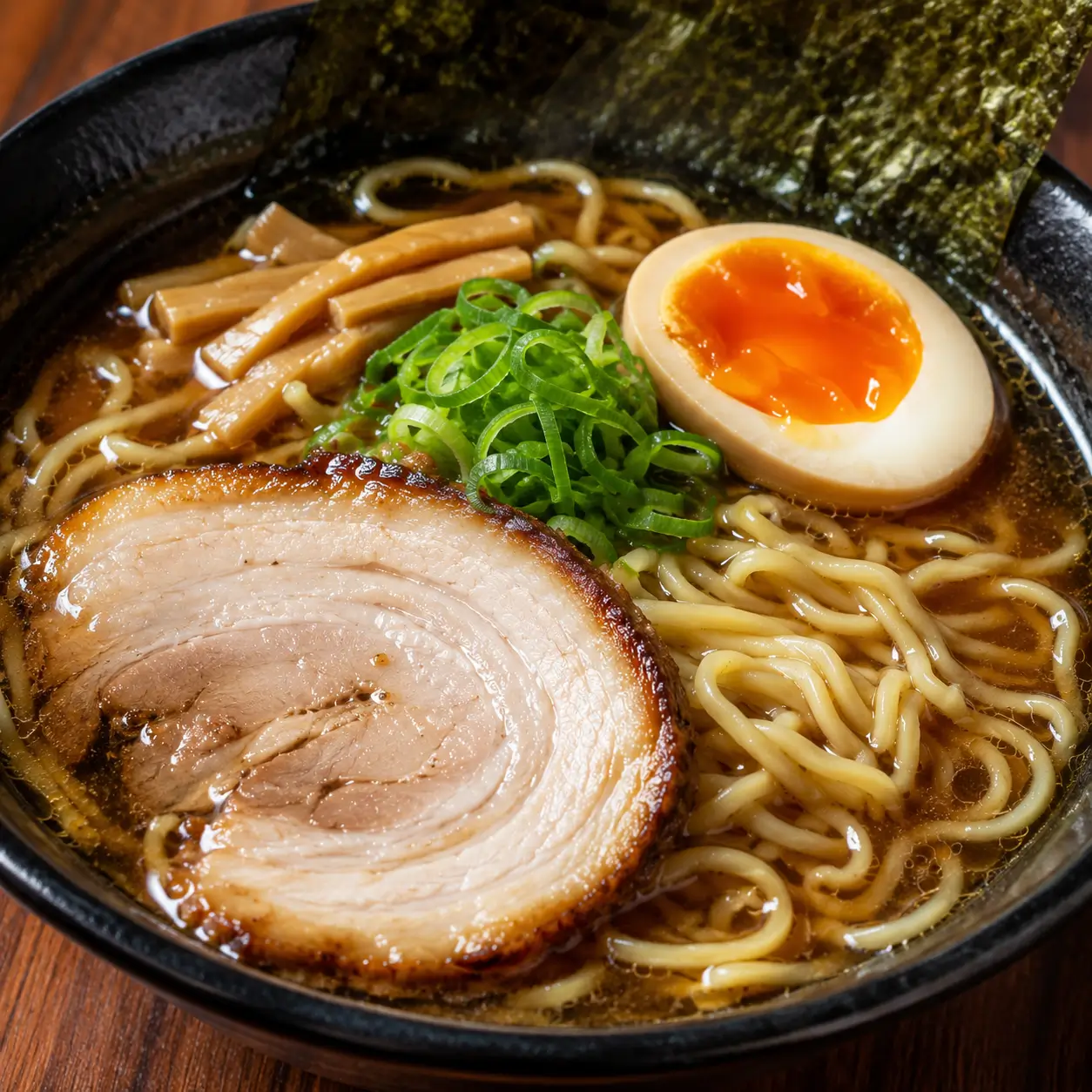
While sushi and sukiyaki have long represented Japanese cuisine on the global stage, Ramen has evolved into a national dish that mirrors the country’s culinary innovation and regional diversity. Far beyond simple fast food, a single bowl of Japanese ramen represents a complex harmony of science, tradition, and craftsmanship. For travelers seeking an authentic taste of Japan away from overcrowded tourist hubs, understanding the depth of ramen and its modern evolution, Tsukemen (dipping noodles), is the gateway to exploring the true daily life and culinary soul of the archipelago.
The Architecture of a Bowl: Ingredients and Flavor Profiles
To appreciate ramen, one must understand that it is not a singular dish, but a canvas of endless variations. Unlike traditional Japanese cuisine which values minimalist seasoning, ramen is an celebration of layered flavors, primarily categorized by four distinct soup bases (Dashi) and seasoning agents (Tare):
- Shoyu (Soy Sauce): The historical foundation of ramen. It features a clear, brown broth typically brewed from chicken or seafood dashi, seasoned with a masterfully blended soy sauce. The flavor is deeply savory, clean, and nostalgic.
- Shio (Salt): The oldest and most delicate style. It relies on a clear broth flavored primarily with high-quality sea salt, often combined with chicken, fish, or seaweed. It requires exceptional skill, as there is no strong flavor to hide any imperfections in the broth.
- Miso (Fermented Soybean Paste): Originating in the colder northern regions, this style features a thick, robust broth enriched with fermented miso paste. It is often hearty, slightly sweet, and complex, frequently paired with butter or corn.
- Tonkotsu (Pork Bone): Born in the southern regions, this broth is created by boiling pork bones over high heat for consecutive hours until the marrow dissolves. The result is a creamy, milky, and incredibly rich white broth packed with umami.
The soup is paired with alkaline wheat noodles, precisely engineered in thickness and waviness to complement the specific broth weight. It is then crowned with meticulously prepared toppings: Chashu (tender, braised pork belly), Ajitsuke Tamago (soft-boiled marinated egg), Menma (bamboo shoots), and Nori (dried seaweed).
Origins and the Modern Japanese Household
The Journey from Foreign Street Food to National Soul Food
The roots of ramen trace back to Chinese wheat noodle dishes introduced to Japan’s port cities during the late 19th and early 20th centuries. Over decades, Japanese artisans adapted these dishes, infusing local umami-rich ingredients like Katsuobushi (bonito flakes) and Kombu (kelp), transforming it into a distinctly Japanese culinary art form.
Ramen in the Modern Household: Fast Comfort vs. Culinary Pilgrimage
In the daily life of Japanese people, ramen occupies a unique position. It is rarely cooked from scratch at home due to the days required to simmer the broth. Instead, the home dining table features instant ramen variants or fresh meal-kits purchased from local grocery stores for a quick, comforting weekday lunch.
Conversely, visiting a professional ramen shop (Ramen-ya) is treated as a culinary ritual. It is the ultimate comfort food after a long workday, a casual social hub for students, and a legendary cure for a night of socializing. For locals, traveling to neighboring prefectures just to taste a specific regional style is a common weekend passion.
The Contemporary Revolution: Tsukemen (Dipping Noodles)
What is Tsukemen?
Invented in Tokyo in the mid-20th century as a staff meal and later commercialized, Tsukemen is a brilliant evolution where the noodles and the soup are served in separate bowls.
Unlike standard ramen, Tsukemen noodles are boiled, immediately shocked in ice water to lock in a firm, chewy texture, and served cold or at room temperature. The accompanying soup is served piping hot in a separate, smaller bowl. This soup is intentionally hyper-concentrated, intensely rich, and highly viscous—often a heavy blend of seafood and pork broths—designed to cling perfectly to the thick noodles.
How to Enjoy Tsukemen:
- Taste the Noodles First: Take a few strands of the cold noodles directly from the bowl without dipping them. This allows you to appreciate the pure aroma and quality of the wheat.
- Dip, Do Not Soak: Pick up a bite-sized portion of noodles, dip them halfway or fully into the hot, concentrated broth, and slurp immediately. Do not pour the broth over the noodles.
- Soup-wari (The Finale): Once you have finished your noodles, do not drink the remaining concentrated broth directly. Instead, request “Soup-wari” from the staff. They will pour a hot, unseasoned dashi broth into your bowl, diluting the concentrated soup into a perfectly balanced, drinkable consome to finish your meal.
Culinary Etiquette: How to Eat Like a Local
To fully immerse yourself in the culture and show respect to the artisans who spent days crafting your bowl, keep these essential manners in mind:
| The Ritual | The Etiquette and Reason |
|---|---|
| Slurping is Mandatory | Slurping your noodles loudly is not bad manners; it is a compliment to the chef. Mechanically, drawing in air cools the boiling noodles and aspirates the broth, intensifying the aroma and flavor in your palate. |
| The Race Against Time | Ramen is a meal designed to be eaten quickly. Within minutes of serving, the hot broth begins to overcook the noodles, causing them to lose their ideal texture. Avoid long conversations and enjoy the meal immediately. |
| Mind the Counter Space | Many authentic shops consist only of a small counter with fewer than ten seats. It is customary to leave promptly after finishing your bowl so waiting customers can enter. This helps independent local shops thrive. |
Beyond the Famous Hubs: Your Next Destination
While global media often spotlights a few mega-chains in central tourist districts, Japan’s true ramen treasure trove lies in its regional variations. From the ginger-infused soy sauce ramen of snow-laden valleys to the hidden seafood broth shops of coastal villages, exploring regional bowls offers an intimate look into local agricultural heritage and identity. Stepping off the beaten path into a local neighborhood shop promises an unforgettable, deeply authentic encounter with Japan’s true culinary masterpiece.