
The Legendary Thick Tsukemen Hidden in Tokyo’s Secret Backalley
While the glitzy main avenues of Ginza are internationally celebrated for luxury fashion boutiques and multi-starred fine dining, Tokyo’s true culinary soul is often hidden within its narrow, shadowy backalleys (Rojiura). Tucked away in a quiet corridor just minutes from the neon lights, Ginza Oborozuki stands as a legendary micro-sanctuary for ramen and tsukemen connoisseurs. This intimate counter-only shop offers an elite alternative to overcrowded commercial food halls, serving a profoundly rich, meticulously engineered bowl of dipping noodles that redefines modern Japanese comfort food.
The Masterpiece: The Velvety Intensity of Rich Tsukemen
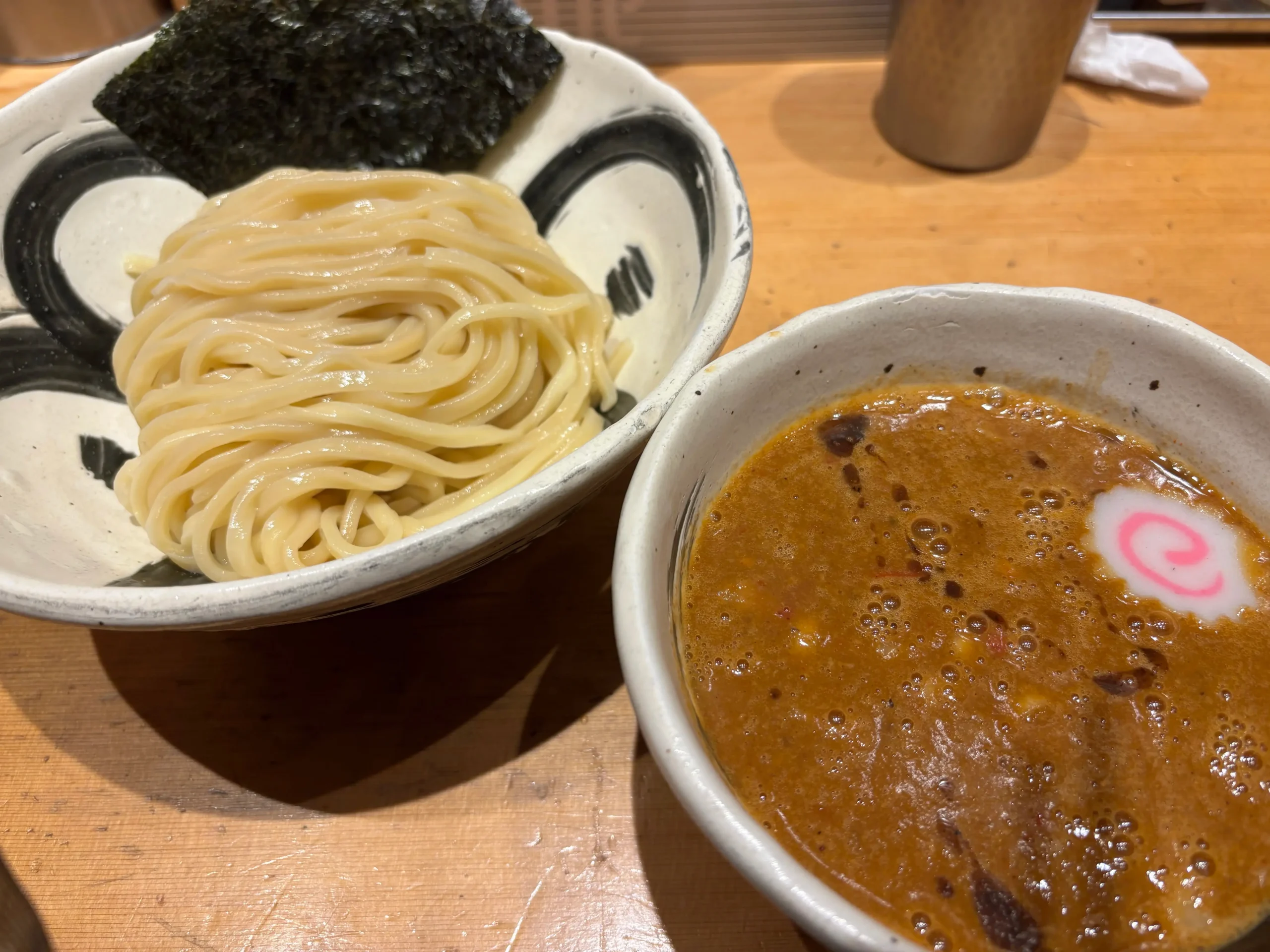
Ginza Oborozuki has earned an legendary reputation among local culinary insiders primarily for its signature dish: Noko Tsukemen (Rich Dipping Noodles). Unlike standard thin ramen, the experience here focuses on a profound contrast of extreme textures and concentrated temperatures.
The hot dipping broth is a highly viscous, creamy masterpiece created by simmering pork bones (Tonkotsu) and chicken for consecutive hours until the marrow completely dissolves. This is then heavily infused with premium dried seafood dashi, including Katsuobushi (bonito flakes) and Niboshi (dried sardines), resulting in a perfect harmony of deep smoky marine umami and rich meat savory. The broth is so thick and sticky that it clings flawlessly to the cold, thick, heavy-weight wheat noodles, ensuring that every bite delivers the absolute maximum volume of flavor.
Artisan Components: Carefully Engineered Textures
Every single bowl presented across the pristine wooden counter of Oborozuki is treated with the precision of fine dining. The noodles are boiled to a specific chewy density (Koshi) and immediately shocked in ice-cold mountain spring water to lock in their firm, elastic texture and pure wheat aroma.
The toppings are prepared with equal dedication. The Chashu pork is braised until it reaches a melt-in-your-mouth tenderness, providing a rich, savory contrast to the crunchy, thick-cut Menma (bamboo shoots). A touch of fresh chopped scallions or citrusy Yuzu peel is often incorporated into the broth, cutting through the intense richness and refreshing the palate between bites.
Access Information
Ginza Oborozuki is situated in Ginza 6-chome. While its entrance is located in a narrow alleyway that feels beautifully hidden, it is highly accessible via Tokyo’s premier train and subway stations.
| Transportation Mode | Route & Instructions |
|---|---|
| By Subway (Ginza Station) | Take the Tokyo Metro Ginza Line, Hibiya Line, or Marunouchi Line to Ginza Station. Take Exit C2 or B5 and walk approximately 3 to 4 minutes toward Ginza 6-chome. The shop is located in the narrow alley running parallel to the main Sukiyabashi-dori street. |
| By JR Train (Yurakucho Station) | Take the JR Yamanote Line or Keihin-Tohoku Line to Yurakucho Station. From the Ginza Exit, it is a flat, scenic 7-minute walk southward past the Sukiyabashi intersection into the heart of the Ginza dining grid. |
| By Taxi / Toei Bus | A Taxi from Tokyo Station is incredibly fast and convenient (approx. 5–7 minutes). Instruct the driver to head to “Ginza Rokuchome, near the Tokyu Plaza Ginza.” If using the Toei Bus network, alight at the “Ginza-Yonchome” bus stop and walk 5 minutes southwest. |
Traveler’s Note: Ginza Oborozuki features an incredibly intimate interior consisting of a small counter with fewer than ten seats. Because of this limited space and its immense popularity among local office workers, brief lines are common during the prime lunch hour (12:00 PM – 1:30 PM). Visiting during late afternoon or early dinner hours ensures a more relaxed, contemplative dining experience.
The Dining Etiquette: The Finale of Soup-Wari
To eat like a true Tokyo epicurean at Oborozuki, you must follow the correct ritual of Tsukemen etiquette, especially at the conclusion of your meal:
- The Dip, Do Not Soak Rule: Pick up a bite-sized portion of the thick, cold noodles, dip them halfway or fully into the hot, heavy broth, and slurp immediately. Do not pour the broth over the noodles or leave the noodles floating in the soup container.
- The “Soup-wari” Finale: Once you have finished all your noodles, do not attempt to drink the highly concentrated dipping broth directly. Instead, hand your small bowl back to the chef across the counter and politely request “Soup-wari, please.” The chef will dilute your rich broth with a steaming, clear hot dashi broth. This transforms the remains into a beautifully balanced, drinkable savory consommé to perfectly conclude your meal.
A Sacred Counter of Culinary Precision
Ginza Oborozuki represents the pinnacle of Japan’s specialized food culture—where an independent kitchen concentrates all its focus into perfecting a singular, intense flavor profile. By stepping away from the commercialized tourist chains into this quiet Ginza alleyway, international travelers unlock a deeply authentic, memory-lasting encounter with Tokyo’s modern culinary soul.