
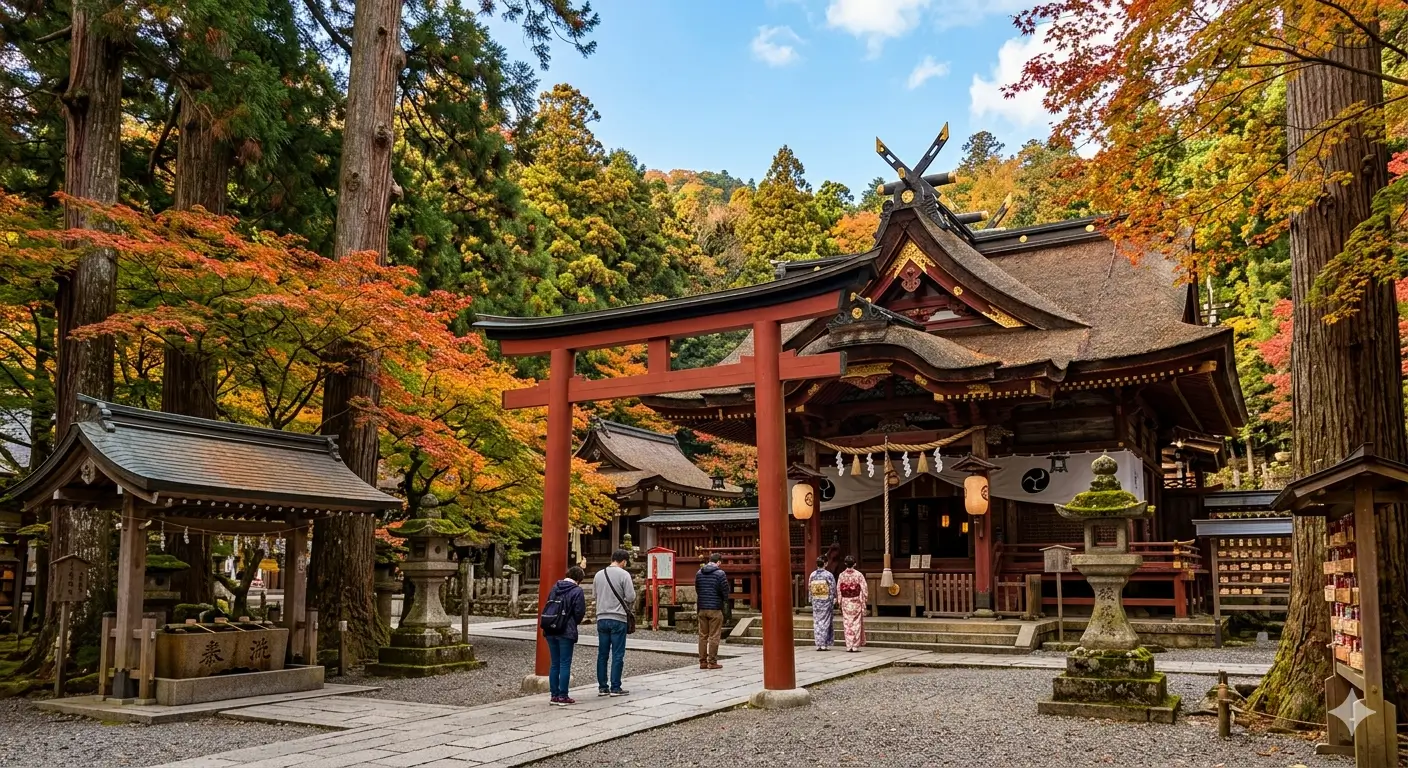
When traveling to Japan, major cities and historic landmarks often dominate the itinerary. However, the true essence of Japanese culture is deeply rooted in its spiritual landscapes, most notably represented by Shinto shrines (Jinja). Shinto is Japan’s indigenous spirituality, a belief system that finds the divine within nature, ancient trees, mountains, and the changing seasons. By stepping off the beaten path and visiting lesser-known regional shrines, you can experience a profound sense of tranquility away from the crowds, while gaining a deeper understanding of the Japanese soul.
The Essence of Shinto: Harmonizing with Nature
Unlike many world religions, Shinto has no founder, no official sacred texts, and no strict commandments. Instead, it is a way of life centered on the worship of Kami—divine spirits or energies that inhabit the natural world. Shrines are not merely places of worship; they are sacred domains built to welcome and house these spirits.
When you visit a rural or secluded shrine, you will notice how the architecture seamlessly blends with the surrounding forest or mountains. This reflects the core philosophy of Shinto: living in harmony with nature rather than attempting to conquer it. Exploring these hidden spiritual sites allows travelers to experience the timeless, pristine landscapes that have shaped Japanese culture for millennia.
Shrine Etiquette: Rituals of Purification
To fully appreciate the spiritual atmosphere and show respect to the local community, practicing proper shrine etiquette is essential. Shinto places great emphasis on ritual purity (Harae), and visitors are encouraged to participate in these traditional steps.
- Passing the Torii Gate: The Torii gate marks the boundary between the secular world and the sacred domain. It is customary to bow slightly before entering and exiting through the gate. When walking along the approach (Sando), avoid walking directly in the center, as this path is traditionally reserved for the Kami.
- The Purification Ritual (Chozuya): Before approaching the main altar, look for the stone water pavilion. Use the wooden ladle to scoop water to rinse your left hand, then your right hand, and finally rinse your mouth (do not drink directly from the ladle or swallow the water). Tilt the ladle vertically so the remaining water washes the handle for the next visitor.
- The Praying Ritual (Ni-rei, Ni-hai, Ichi-rei): At the altar, gently toss a coin into the offering box. Ring the bell if one is available. Bow deeply twice, clap your hands firmly twice (holding your thoughts in prayer after the second clap), and then give one final deep bow to conclude.
The Spiritual Table: Shinto’s Influence on Japanese Cuisine
The connection between Shinto and Japanese food culture is profound. Traditionally, harvested crops and prepared foods are offered to the Kami as Shinsen (sacred food offerings) to express gratitude for nature’s bounty before being consumed by the people. One of the most iconic beverages deeply tied to the shrine experience is Amazake.
What is Amazake? (Ingredients and Flavor Profile)
Amazake (literally “sweet sake”) is a traditional, creamy Japanese beverage. It is primarily made from two simple ingredients: fermented rice koji (malted rice) and water. Despite its name, rice-koji amazake is naturally non-alcoholic and contains no added sugar. The fermentation process breaks down rice starches into natural sugars, resulting in a rich, comforting sweetness and a thick, porridge-like texture. Another variety uses sake lees (sake kasu) mixed with water and sugar, which contains a trace amount of alcohol and offers a more robust, mature flavor.
Origins and Domestic Role
The origins of Amazake date back to the Kofun period (3rd to 7th century), documented in Japan’s oldest chronicles as a sacred offering to the deities. Over the centuries, it evolved from an aristocratic luxury into a household staple. Today, Amazake is highly integrated into the daily lives of Japanese families. Known as a “draggable IV drip” due to its high nutrient content, it is consumed warm during cold winter months to prevent colds, and chilled during the humid summer to combat fatigue. It is a comforting beverage enjoyed by all generations, from children to the elderly.
How to Enjoy Amazake and Cultural Etiquette
When visiting areas surrounding a shrine, you will often find local stalls or traditional teahouses serving hot Amazake, sometimes garnished with a pinch of freshly grated ginger to enhance the aroma and warm the body. It is typically served in small ceramic cups and enjoyed sitting down. When consuming food or drink near sacred grounds, it is important to remember the etiquette of not walking while eating or drinking. Always enjoy your refreshments within the designated seating area or near the shop where purchased, and return the empty cup to the staff.
Explore Local Shrines Across Japan
While famous grand shrines offer grand architecture, the smaller, regional shrines hidden in misty mountains, coastal cliffs, and quiet neighborhoods offer an intimate glimpse into local history and devotion. In our sub-categories below, we introduce specific, off-the-beaten-path shrines across various regions, complete with detailed access information via trains, local buses, and scenic taxi routes. Discover your own sanctuary and experience a side of Japan that few international travelers ever see.
日本の精神が宿る場所:神社を巡る深い旅への誘い
日本を旅するとき、多くの人は大都市や有名な観光地を旅程の中心に据えることでしょう。しかし、日本文化の真の神髄は、豊かな精神性に彩られた景観にこそ深く根ざしています。その象徴とも言えるのが「神社」です。神社は、自然、古木、山々、そして移り変わる四季の中に神聖な存在を見出す、日本固有の信仰(神道)に基づいています。定番の観光ルートから一歩踏み出し、地域にひっそりと佇む隠れた神社を訪れることで、混雑から離れた深い静寂を味わうとともに、日本人の心の奥底にある精神性をより深く理解することができるでしょう。
神道の神髄:自然との調和
世界にある多くの宗教とは異なり、神道には特定の開祖も、公式な聖典も、厳格な戒律も存在しません。それは教義というよりも、自然界に宿る神聖な精神やエネルギーである「神(かみ)」を崇める、日々の暮らしに溶け込んだ生き方そのものです。神社は単に礼拝を行う場所ではなく、これら八百万(やおよろず)の神々を迎え、お祀りするために建てられた神聖な領域なのです。
人里離れた静かな神社を訪れると、その建築様式が周囲の森や山々と見事に調和していることに気づくはずです。これは、自然を征服しようとするのではなく、自然とともに生きるという神道の根本的な思想を反映しています。こうした知る人ぞ知る聖地を巡る旅は、何世紀にもわたり日本文化を形作ってきた、時代を超えた普遍的な原風景に触れる貴重な機会となります。
神社の参拝作法:心身を清める儀式
神社の厳かな雰囲気の中に身を置き、地域の人々や文化への敬意を示すためには、正しい参拝マナーを実践することが大切です。神道では「祓(はらえ)」と呼ばれる心身の清浄を非常に重視しており、参拝の際には伝統的な一連の作法を行うことが推奨されています。
- 鳥居をくぐる: 鳥居は、日常の世俗的な世界と神聖な神域との境界を表しています。境内に入る際、また去る際には、鳥居の前で軽く一礼(一拝)するのが古くからの習わしです。また、参道(神様へ続く道)を歩くときは、中央を避けて歩くようにします。中央は「正中(せいちゅう)」と呼ばれ、神様が通る道とされているためです。
- 手水舎での清め(手水): 本殿へ進む前に、石造りの水盤がある「手水舎(ちょうずや)」へ向かいます。木製の柄杓(ひしゃく)で水を汲み、まず左手を洗い、次に右手を洗います。続いて左手に水を溜めて口をすすぎます(柄杓に直接口をつけたり、水を飲み干したりしないよう注意してください)。最後に柄杓を垂直に立て、残った水で自分が触れた柄を洗い流して元の位置に戻します。
- 拝殿での参拝(二礼二拍手一礼): お賽銭箱の前に立ち、お賽銭を静かに投入します。鈴があれば引き紐を振って鳴らします。その後、深く二回お辞儀をし(二礼)、胸の前で手を二回叩きます(二拍手。二回目の拍手のあと、手を合わせたまま心の中で祈りを捧げます)。最後に、もう一度深くお辞儀をして(一礼)参拝を終えます。
精神性と食のつながり:神道が日本の食文化に与えた影響
神道と日本の食文化には、切っても切り離せない深い結びつきがあります。古来より、収穫された作物や調理された食べ物は「神饌(しんせん)」として神々に捧げられ、自然の恵みへの感謝を表した後に、人々が共にいただく(直会・なおらい)という伝統があります。この神社をめぐる体験に深く関わっている、最も象徴的な飲み物の一つが「甘酒」です。
甘酒とは(素材と味の特徴)
甘酒(文字通り「甘い酒」)は、日本の伝統的なとろみのある飲料です。主に、米麹(米を発酵させたもの)と水という2つのシンプルな原料から作られます。その名に「酒」とつきますが、米麹から作られる甘酒は完全にノンアルコールであり、砂糖も一切使用されていません。発酵の過程で米の澱粉(でんぷん)が自然な糖分へと分解されるため、お米由来の豊かな優しい甘みと、特有の濃厚なとろみが生まれます。なお、もう一つの種類として、酒粕(日本酒を搾った残りの固形物)を水に溶かし、砂糖を加えた甘酒もあり、こちらはわずかにアルコール分を含み、より芳醇で深いコクのある味わいが特徴です。
発祥の地と家庭での役割
甘酒の起源は古く、古墳時代(3世紀〜7世紀)にまで遡り、日本最古の歴史書(日本書紀)にも神々に捧げられた神聖な飲み物としての記述が見られます。何世紀もの時間を経て、甘酒は貴族の贅沢品から一般家庭の定番へと進化していきました。現代の日本の家庭でも、甘酒は人々の生活に深く浸透しています。その高い栄養価から「飲む点滴」とも称され、寒い冬の時期には身体を温め風邪を予防するために温めて飲まれ、湿度が高く暑い夏には夏バテを防ぐために冷やして飲まれてきました。子供から高齢の方まで、世代を問わず親しまれている心温まる飲み物です。
甘酒の楽しみ方と参拝時のマナー
神社の周辺や参道を歩くと、地元の売店や伝統的な茶屋で、温かい甘酒が振る舞われているのをよく見かけるでしょう。風味を引き立て、身体を芯から温めるために、すりおろした生の生姜(しょうが)を少し添えて提供されることもあります。一般的には小さな陶器のカップに注がれ、椅子に腰掛けてゆっくりと味わうのが伝統的なスタイルです。神聖な境内の近くで飲食を楽しむ際には、「歩きながら食べたり飲んだりしない(食べ歩き・飲み歩きをしない)」という日本のマナーを意識することが大切です。購入したお店の指定された休憩スペースやその周辺で静かに味わい、飲み終わった容器は必ずお店のスタッフに返却するか、指定のゴミ箱へ収めてください。
日本各地の隠れた神社を探訪する
有名な大神社が見せる壮大な建築美も魅力的ですが、霧深い山中や海岸の断崖、あるいは静かな住宅街にひっそりと佇む小さな地域神社には、その土地の歴史や人々の祈りがより身近に息づいています。以下の各子カテゴリーでは、一般的な観光客にはまだあまり知られていない、日本各地の隠れた名社を厳選してご紹介します。電車、地域の路線バス、あるいは車窓からの景色を楽しめるタクシー乗り継ぎルートなど、詳細なアクセス情報も網羅しています。あなただけの静寂の聖地を見つけ、多くの外国人旅行者がまだ見ぬ日本の新しい一面を体感してください。